
Pangea Kali Virga Turns Textile Waste Into Art the Whole Community Can Make
After ten years in fashion, the Miami fiber artist builds zero-waste art from discarded materials, and invites the public to help make it.
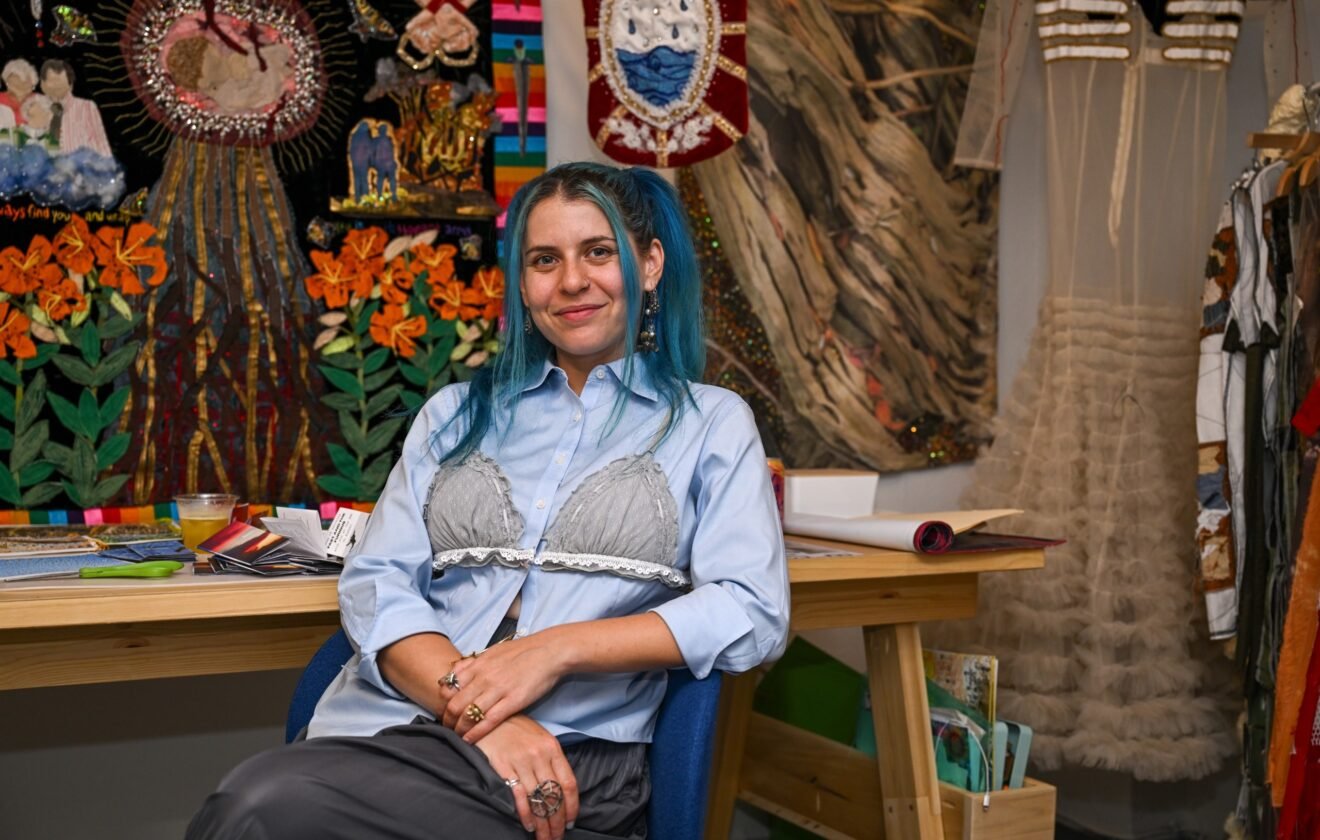
Pangea Kali Virga spent ten years in the fashion industry, long enough to see what it costs. “I found it challenging to continue working in the same capacity in an industry that perpetuates so much harm,” she says.
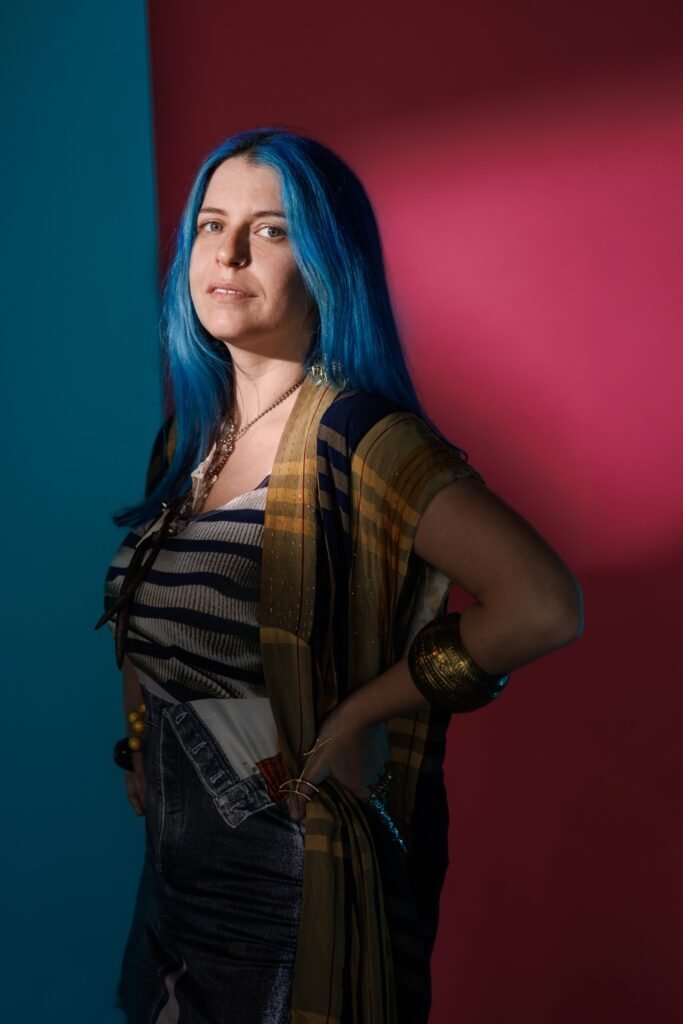
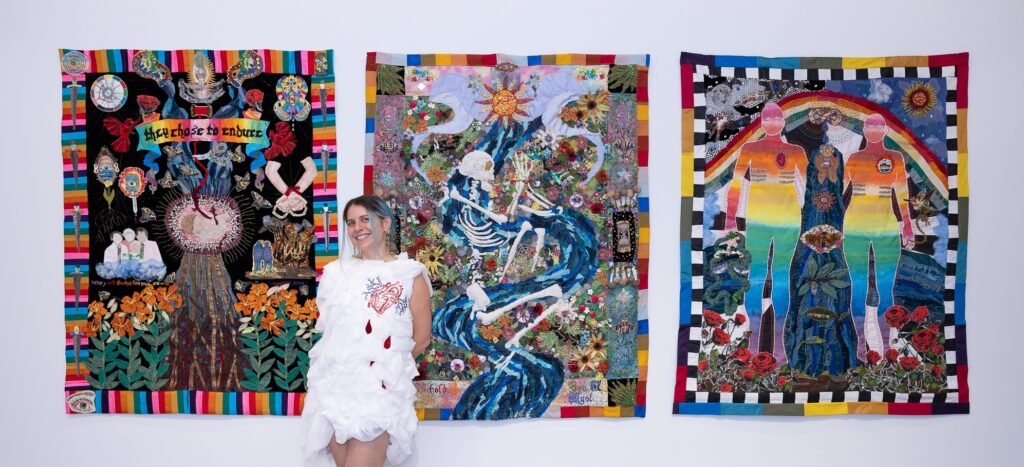
So when she moved to Miami from Vietnam, she started over. “I founded Pangea Kali Virga shortly after moving to Miami from Vietnam. It felt right to start a new path while in a new city,” she says. Today she describes herself as “a fiber artist, sustainability advocate and educator, and costume designer,” and her work, from layered fiber pieces to large public projects, is built from what the world throws away.
Leaving fashion behind#
Over her decade in fashion, Virga learned about the industry’s destructive side: man-made droughts from growing cotton, cruel labor abuses, environmental damage from the by-products of clothing manufacturing, and the off-gassing mountains of used clothing piling up around the world. “Art making seemed like a way of maintaining a creative practice with fewer ethical hang ups,” she says.
Miami made the leap easier. The city had a burgeoning art scene, a supportive artist community and endless inspiration, and she took to the new career immediately.
Made from what was thrown away#
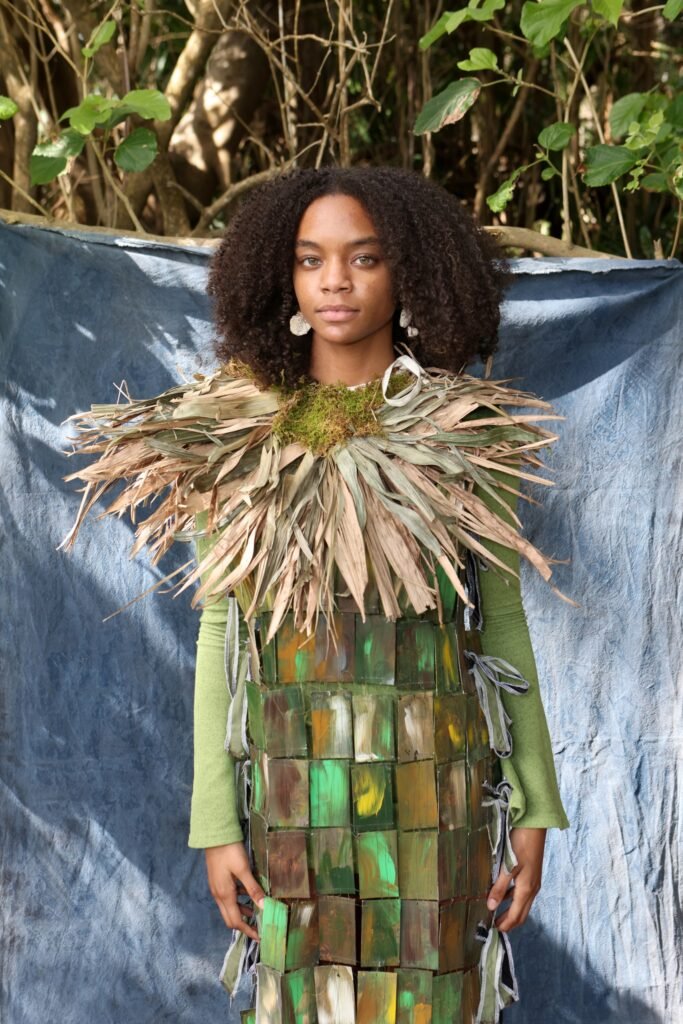
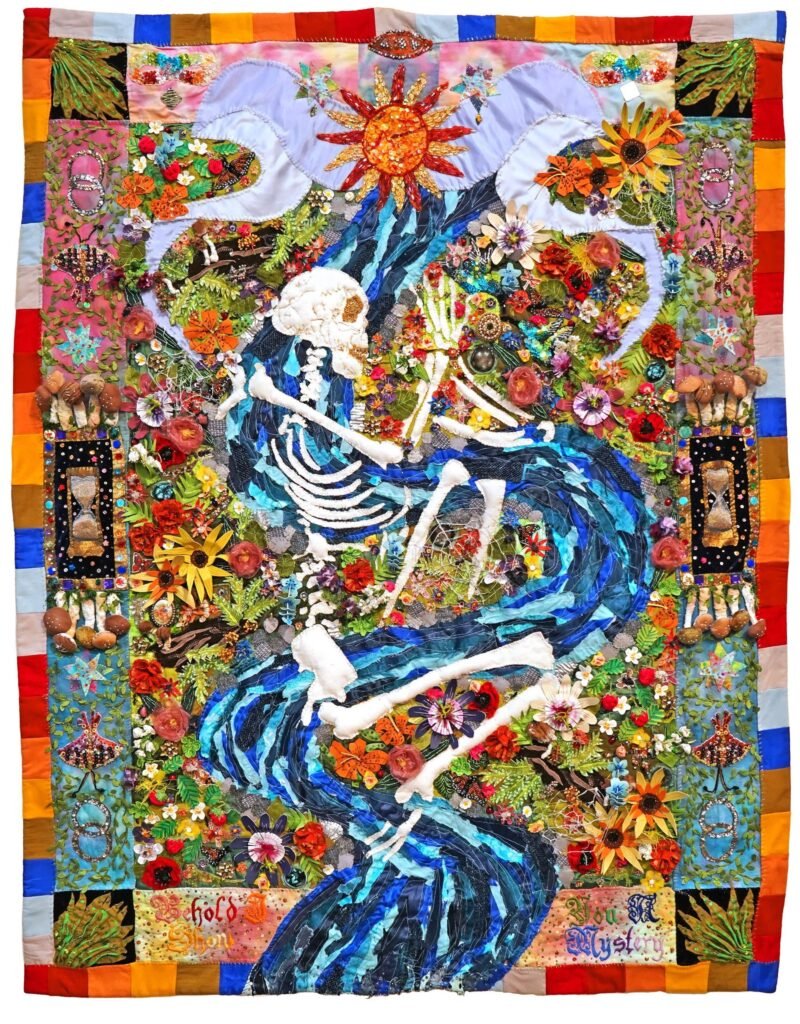
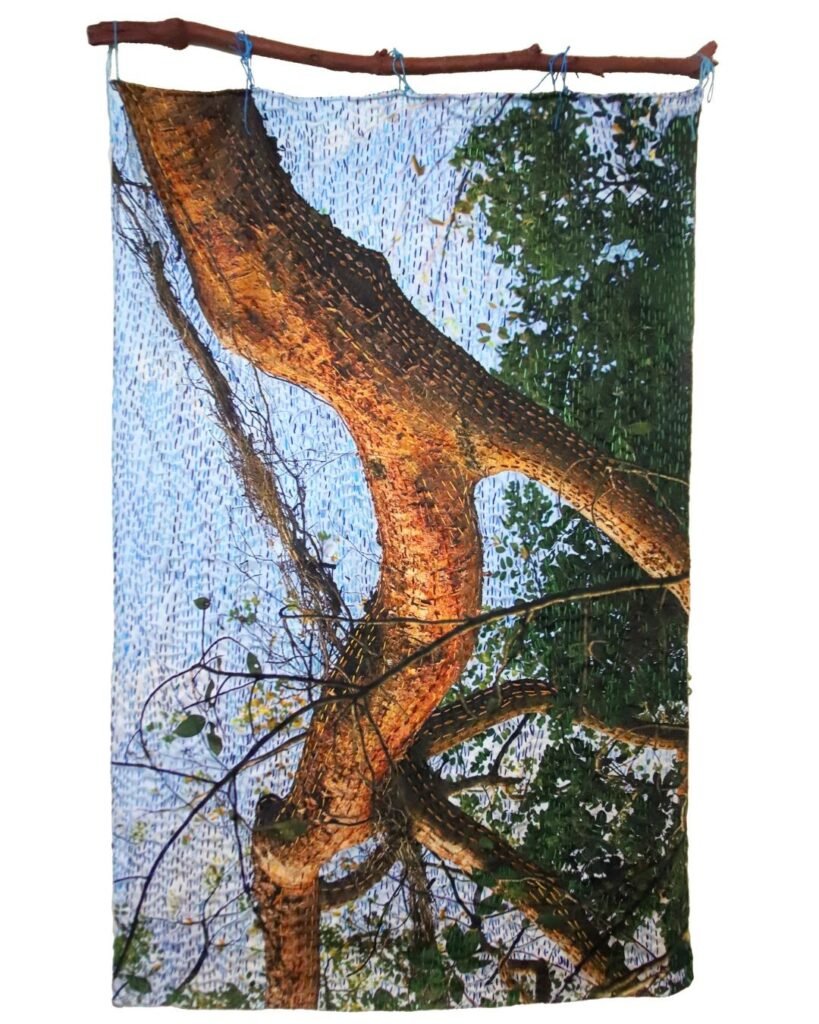
Her art and wearable works are made from upcycled materials and natural elements using zero-waste practices. Every piece is made by hand and dyed by hand with plants and minerals, and every scrap is saved for small details or future projects. Her materials come from discarded garments, vintage jewelry, used bed linens, and scraps from other designers and industries.
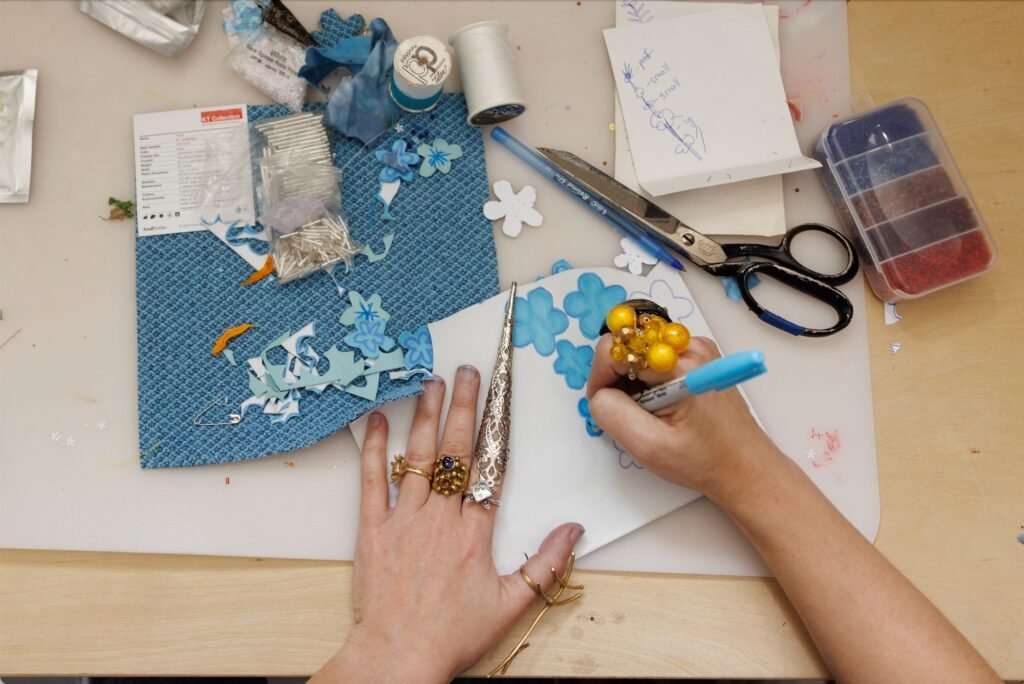
An ongoing series of three-dimensional plant studies highlights native plants, and she weaves native plants, animals and insects into all of her work. “By sharing the beauty and purpose of these native species in my works and highlighting the harms of textile waste I am able to communicate the need for protecting these ecosystems and the need for consuming fewer goods,” she says.
Art the public helps make#
What she is proudest of is bringing other people into the process. “I am most proud of my ability to integrate the community and general public into my art making process,” she says. That can mean collecting items from the public to upcycle, teaching mending workshops using the same techniques she uses in her art, or building public artworks with the community’s help. “I love expanding this realm of creativity and action to all people.”
The biggest example was Ecotopia, a month-long series at the Vizcaya Museum that put art and the environment at the center of a conversation about strengthening communities. Thousands of attendees helped build a cooperative “Utopian Town Square” across eight community art events covering painting, cooking, mending and planting, ending with a Finale Town Square Festival. By the end, they had repurposed hundreds of pounds of materials from the waste stream to create a Free Store, public sculptures and installations.
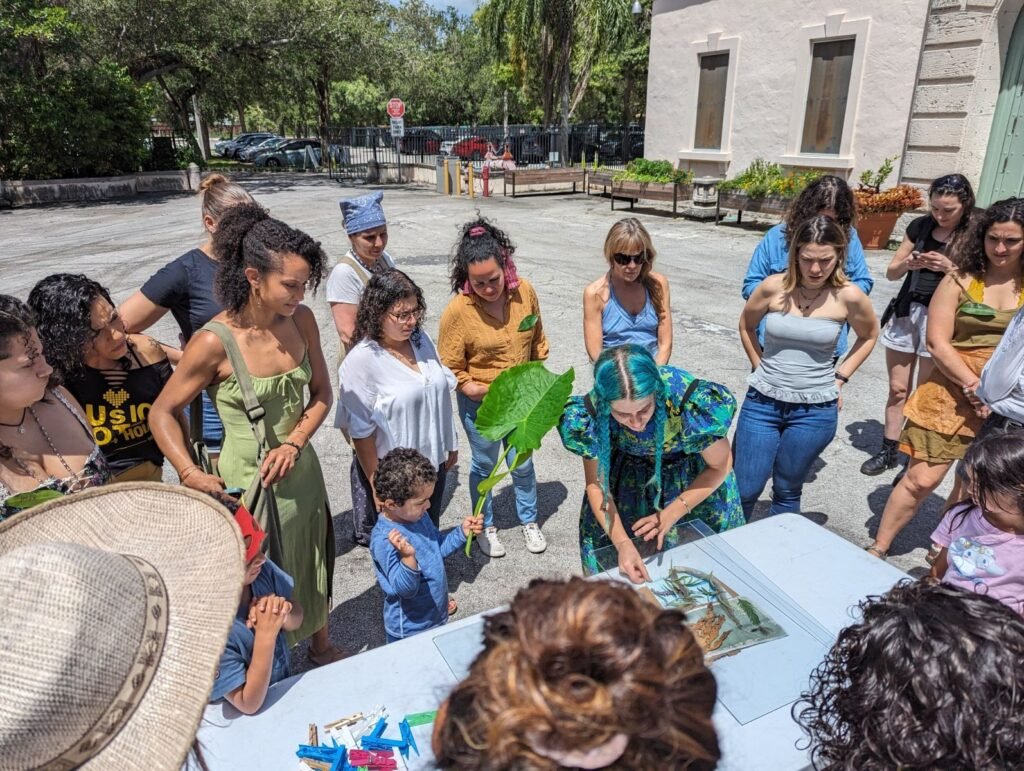
Running something that size close to zero waste was a challenge she had never faced at that scale. It meant finding solutions for food scraps, paper scraps, art materials, furniture and activities for that many people over an entire month. The payoff was visible. “People left the series with new sustainability skills, new artworks, new native plants, and new friends to protect the environment with,” she says.
I am dedicated to the earth, dedicated to making art that uplifts the environment and environmental action, and that they can be a part of this journey too.
PANGEA KALI VIRGA
Back to the earth#
Nature is where her ideas come from. “Every time I get to be in nature I feel like I learn about a part of myself and the universe,” she says. On one hike, looking at the fallen leaves on the ground, she had the idea to design organic, compostable pieces, thinking about how the art, the design and the material could eventually return to the earth in a closed loop.
She has already tested the idea. She made a collection of clothing from plants and plant-based materials and left it out in nature for three months. Little by little, the rain, sun and soil began to break it down.
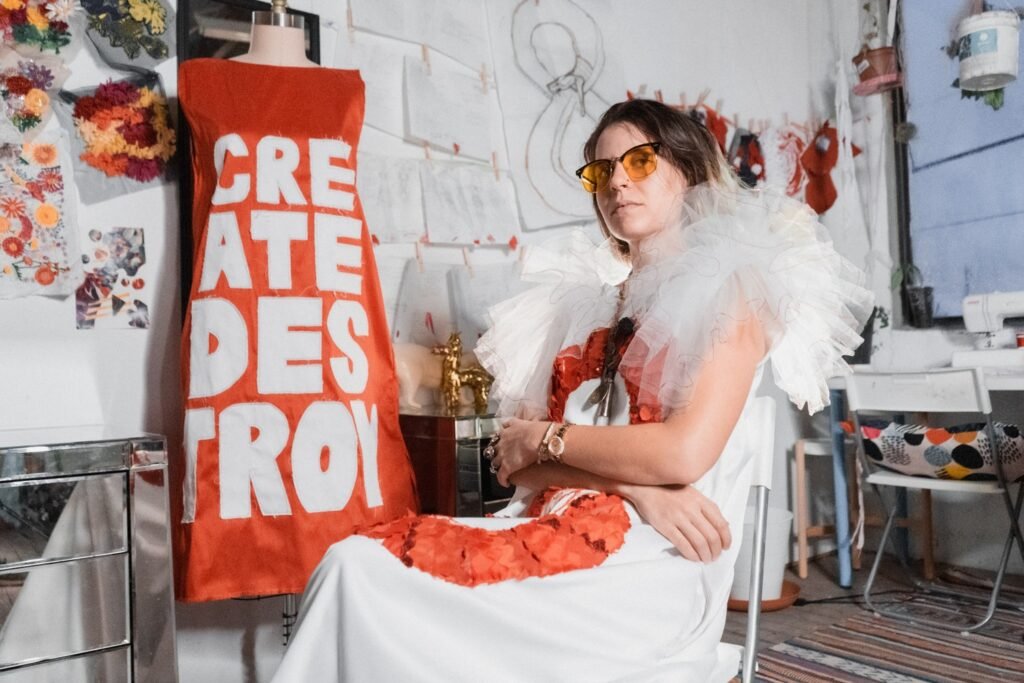
She credits the support around her: the public, arts institutions, the city and county, and her family and friends. Like any new career, hers has come with learning curves, and she says she loves facing them head on.
Advice for a founder on day one#
“Believe in yourself and build a beautiful network of people who inspire you and are inspired by you.”
Pangea Kali Virga · Miami, FL
pangeakalivirga.com · @pangeakalivirga
This story is part of CREATIV Magazine’s Founder’s Edition, a series dedicated to the people building independent businesses. Know a founder whose story deserves to be told? Tell your story, at no cost.